
The Saudi government’s introduction of the multiple-entry Umrah visa with one-year validity marks a significant shift in how millions of pilgrims approach their spiritual journeys. By moving away from the rigid, single-trip constraints that previously defined the pilgrimage experience, this policy change creates a more flexible framework for international visitors. This initiative is part of a broader effort to modernize Saudi Arabia’s tourism and religious infrastructure, aligning with the Kingdom’s Vision 2030 goals to welcome a greater number of visitors to the holy sites of Makkah and Madinah throughout the calendar year.
Understanding the Mechanics of the One-Year Multiple-Entry Visa

The core benefit of the one-year multiple-entry visa lies in its long-term utility for frequent travelers. Unlike traditional visas that expire upon the completion of a single pilgrimage, this new category allows the holder to enter and exit the Kingdom multiple times over the course of 365 days.
The visa is designed to facilitate ease of access, meaning that once an individual is approved, they are no longer required to apply for a fresh permit for every single visit during the validity period. This is particularly advantageous for those who live in proximity to the region or for business professionals who often combine professional obligations with spiritual rituals.
To qualify for this visa, applicants must adhere to the specific procedural requirements set forth by the Ministry of Hajj and Umrah. The visa is not merely a travel document but a commitment to the regulations governing religious tourism. Travelers are granted a specific duration of stay per visit, which is typically capped to ensure that the infrastructure remains sustainable for the millions of pilgrims who visit annually.
By streamlining the application process through digital portals, the Saudi authorities have reduced the bureaucratic friction that once deterred potential pilgrims. This digital transformation means that the documentation process is largely handled online, providing a transparent track for pilgrims to follow as they prepare for their journey.
Streamlining Spiritual Travel Through Digital Innovation
Digital integration is the backbone of the recent visa reforms. By utilizing the Nusuk platform and other official government portals, the Saudi government has effectively digitized the entire pilgrimage experience.
This platform serves as a central hub where pilgrims can apply for the one-year multiple-entry visa, book their accommodation, and schedule their visits to the Rawdah in the Prophet’s Mosque. The shift toward a digital-first approach ensures that the government can manage the flow of visitors more efficiently, preventing overcrowding during peak seasons and ensuring that the experience remains orderly and respectful.
For the modern traveler, this means that the logistical burden of obtaining a visa has been significantly lowered. Rather than coordinating with local agencies that might charge high service fees, individuals can now interact directly with the Saudi immigration system. The system provides real-time updates on visa status, requirements, and any changes in health protocols.
This transparency is crucial for long-term planning. Pilgrims can now map out multiple trips across the year, perhaps visiting during the quieter months to avoid the intense heat and the dense crowds of Ramadan, thereby creating a more personalized and manageable spiritual itinerary.
Financial Implications and Cost Structure of the Visa
Understanding the financial structure of the new visa system is essential for any prospective pilgrim. While the visa itself represents a significant value proposition due to its long-term validity, there are associated costs that vary depending on the applicant’s nationality and their point of origin.
The Saudi government has worked to standardize these fees, but it is important to note that the total cost often includes mandatory health insurance, which provides coverage for the traveler during their stay in the Kingdom. This insurance is a critical component of the entry requirements, ensuring that pilgrims have access to medical care should they encounter health issues while abroad.
Prospective travelers should consult the Saudi government’s official e-services portal to obtain accurate, up-to-date information regarding fees and mandatory insurance premiums. Because these costs can fluctuate based on diplomatic agreements between Saudi Arabia and other nations, relying on official, primary sources is the only way to avoid misinformation.
When budgeting for the year, pilgrims should factor in not only the visa fee but also the fluctuating costs of flights and accommodation, which tend to spike during the busy periods of the Islamic calendar. By planning trips during the off-peak seasons, travelers can maximize the utility of their one-year visa while keeping their overall expenses within a reasonable range.
Eligibility and Regulatory Framework for International Pilgrims
The eligibility criteria for the one-year multiple-entry visa are designed to ensure security while promoting accessibility. While the system is open to citizens of a wide range of countries, there are specific checks that must be passed, including background verification and compliance with health regulations.
The Saudi authorities have been clear that while the visa is intended to encourage tourism and religious visitation, it is subject to the overarching laws of the land. This includes respect for local customs, adherence to the dress codes expected in holy cities, and compliance with the specific rules governing the performance of Umrah and the visitation of mosques.
It is a common misconception that the visa is available to everyone without restriction. Certain nationalities may face different processing times or specific documentation requirements based on current geopolitical relations. Furthermore, the authorities reserve the right to deny entry if an individual fails to meet the updated health or safety standards.
For instance, during periods of public health concern, the government may implement additional requirements, such as proof of vaccination or negative test results. Staying informed about these nuances is part of the responsibility of the pilgrim. Prospective travelers should always verify their specific status before booking non-refundable travel arrangements to ensure that they are fully compliant with current entry mandates.
Addressing Misconceptions Regarding Visa Restrictions
There is often confusion regarding which countries are eligible for various visa programs. While media reports sometimes highlight restrictions or “banned” lists, the reality is that Saudi Arabia’s visa policy is dynamic and subject to change based on international relations and security assessments.
There is no static list of “banned” countries; rather, there are lists of countries that have specific visa-on-arrival or e-visa privileges, and those that require a more intensive manual review process at a consulate. The one-year multiple-entry visa is currently being rolled out to an expanding list of eligible nations, reflecting the Kingdom’s desire to open its doors to a global audience.
When researching these restrictions, it is vital to avoid third-party travel blogs that may contain outdated information. Many of these sites rely on speculative data or old news cycles that no longer reflect the current policy. If a traveler finds themselves in a category that requires a traditional consular visit, it is usually because of unique bilateral agreements rather than a blanket ban.
By approaching the application process with patience and ensuring all documents are authentic, most pilgrims can successfully navigate the requirements. The focus of the Saudi government is on facilitating a secure environment, and therefore, the screening processes are in place to protect both the visitor and the host nation’s infrastructure.
The Impact of Long-Term Visas on Spiritual Experience
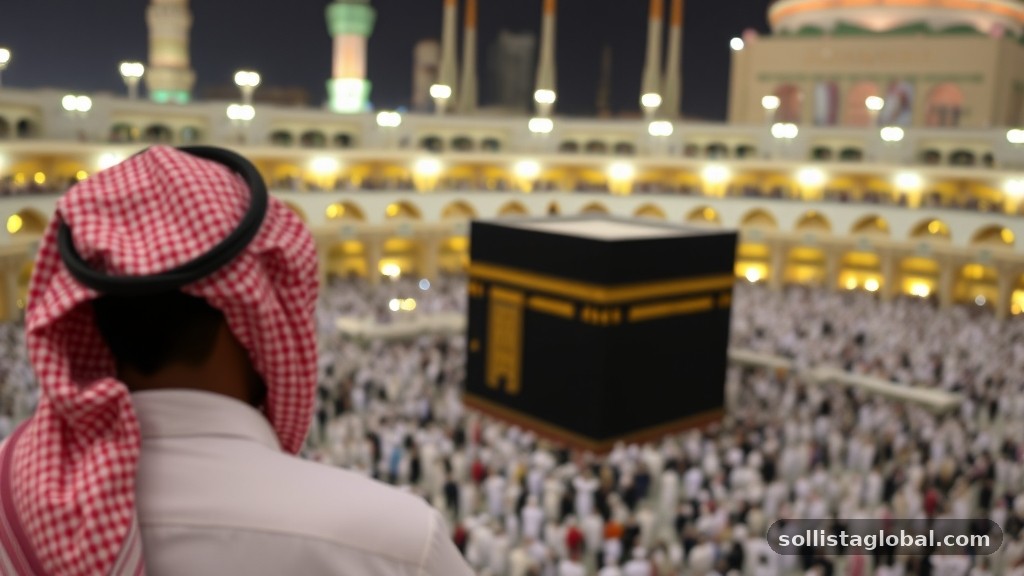
The shift to a one-year multiple-entry visa fundamentally changes the nature of the pilgrimage. Previously, the pressure to complete all rites in a single, high-intensity trip often led to exhaustion and a lack of focus on the spiritual aspects of the journey.
With the ability to return multiple times, the experience becomes less about “checking off” a list and more about gradual, meditative engagement. Pilgrims can now dedicate one trip to the formal rituals of Umrah, while subsequent trips can be used for deep study, visits to historical sites in Makkah and Madinah, or simply spending time in the tranquility of the two holy mosques.
This change also allows families to spread out their visits. Parents with young children or those caring for elderly family members can now plan shorter, more manageable trips that do not overwhelm their physical capacity. This flexibility is a major boon for the elderly, who often find the intense heat and physical demands of a long-duration stay to be prohibitive.
By breaking the journey into smaller segments, the spiritual benefits of the trip are preserved without the physical toll that often accompanies a singular, extended stay. This evolution in travel strategy is likely to increase the overall satisfaction of pilgrims, as they are no longer constrained by the “all or nothing” mentality that defined the old system.
Logistical Preparations for Repeat Visitors
For those planning to utilize the one-year visa for multiple trips, logistical preparation becomes a year-round activity. It is no longer sufficient to pack for a single event; one must consider the changing seasons in Saudi Arabia. The Kingdom experiences extreme heat during the summer months, while the winter brings milder, more comfortable weather.
A repeat visitor must account for these variations in their packing list and their physical readiness. Additionally, maintaining a record of one’s visits, including flight receipts and local accommodation bookings, can be helpful for future visa applications or for providing proof of intent to immigration officers if requested.
Another aspect of logistical planning involves the local transportation network. With the expansion of the high-speed rail services between Makkah, Madinah, and Jeddah, traveling between the holy sites has become significantly faster and more reliable. A traveler with a one-year visa can leverage these modern transport options to create a more varied experience.
Instead of staying exclusively in one city, they can spend a few days in Madinah, take the train to Makkah, and return, all within a single visit window. This level of mobility was once difficult to manage but is now a standard part of the pilgrimage experience. Planning these internal connections in advance can save significant time and stress during the actual trip.
Future Trends in Saudi Religious Tourism
The launch of the one-year multiple-entry visa is only the beginning of a broader trend toward making Saudi Arabia a global hub for religious and cultural tourism. As the government continues to invest in infrastructure—such as the expansion of the Grand Mosque and the development of surrounding areas—the capacity to host visitors will continue to grow.
We are likely to see further refinements to the visa system, perhaps including more specialized categories for students of Islamic history, researchers, and those interested in the cultural heritage of the Arabian Peninsula. The goal is to move beyond the traditional pilgrimage model and offer a more rounded experience that encompasses the rich history and modern development of the Kingdom.
Furthermore, the emphasis on technology will likely increase. Future updates to the Nusuk platform could include AI-driven itinerary planning, personalized health tracking for pilgrims, and integrated local navigation tools that guide visitors through the holy sites with greater ease. These advancements will continue to lower the barrier to entry, making it easier for people from all walks of life to participate in the Umrah.
As the system matures, the focus will shift from simply managing the volume of visitors to enhancing the quality of their stay. The one-year visa is the cornerstone of this new era, signaling a commitment to a future where the spiritual journey is accessible, sustainable, and deeply enriching for all who choose to undertake it.
The Cultural Significance of Accessible Pilgrimage
At its heart, the ability to visit the holy sites more frequently touches upon the deep emotional and spiritual connection that Muslims worldwide have with Makkah and Madinah. By removing the obstacles that previously prevented many from returning, the Saudi government is facilitating a more profound spiritual connection. The ability to return to these sites allows for a sense of continuity in one’s religious life.
It transforms the pilgrimage from a once-in-a-lifetime event into a recurring touchstone that can anchor a person’s faith throughout their life. This is a significant cultural shift that recognizes the evolving needs of a global Muslim community.
As more pilgrims take advantage of these new opportunities, we can expect to see a more diverse array of people visiting the region. This diversity enriches the community experience during the pilgrimage, as people from different cultures, languages, and backgrounds come together in the same spaces. The one-year visa acts as a bridge, not only between the pilgrim and the holy sites but also between the people of Saudi Arabia and the rest of the world.
By fostering this ongoing interaction, the Kingdom is positioning itself as a leader in the global Islamic community, one that is open, modern, and deeply respectful of its heritage. This vision of an open and accessible pilgrimage is perhaps the most lasting legacy of the recent visa reforms, ensuring that the spiritual traditions of the region continue to thrive in the modern age.
Navigating the Practicalities of Multi-Visit Itineraries
When planning multiple trips within a single year, it is crucial to manage one’s stamina and resources effectively. A common mistake is attempting to repeat the intensity of a first-time pilgrimage on every subsequent visit. Instead, savvy travelers are now adopting a “rhythm of return,” where they dedicate certain trips to specific objectives.
For example, one trip might be focused on the intensive performance of Umrah rituals, while a later trip could be centered on visiting museums, historical landmarks like the Jabal al-Nour, or spending extended periods of prayer in the Prophet’s Mosque in Madinah. This segmentation allows the traveler to maintain a high level of spiritual focus without the burnout that comes from rushing.
Another practical consideration is the management of health. The Saudi climate, even in the cooler months, can be demanding. Repeat visitors should prioritize hydration, appropriate footwear for walking long distances, and adequate rest.
Furthermore, the availability of high-quality healthcare facilities in Makkah and Madinah means that pilgrims should not hesitate to seek assistance if they feel unwell. Leveraging the local medical infrastructure is part of a responsible approach to travel. By treating the one-year visa as a tool for a series of manageable, well-planned visits rather than a single massive undertaking, the pilgrim can ensure that their physical health and spiritual well-being remain balanced throughout the entire year.
The Evolving Role of Technology in Visitor Management
The reliance on technology is not just for the sake of convenience; it is a fundamental requirement for managing the massive influx of people that occurs during certain times of the year. The Saudi government’s implementation of smart crowd management systems, which are tied into the visa and booking process, ensures that the density of people in sensitive areas remains within safe limits.
As a holder of a one-year multiple-entry visa, the pilgrim becomes part of this data-driven ecosystem. This might mean receiving push notifications about optimal times to visit certain areas or reminders about health and safety protocols.
This level of integration is likely to become even more sophisticated. We may soon see the use of biometric identification to speed up entry at airports and transit hubs, further reducing wait times. For the frequent traveler, this means that the friction of international travel will continue to decrease.
The goal is to make the journey to Makkah and Madinah as seamless as a domestic commute. By embracing these technological advancements, the Saudi authorities are setting a new standard for religious tourism, one that balances the sanctity of the experience with the efficiency required by a modern, globalized world. For the pilgrim, this means more time for reflection and less time spent in queues, which is a significant improvement over the travel experiences of the past.
Conclusion: A New Era for Global Pilgrims
The introduction of the one-year multiple-entry visa is a landmark development that reflects a forward-thinking approach to religious tourism. It acknowledges that the spiritual journey is not a static event but a dynamic process that can, and should, be integrated into the rhythms of modern life.
By providing a clear, digital, and flexible path for entry, the Saudi government has empowered millions of people to engage with their faith on their own terms. This policy change is not merely about increasing visitor numbers; it is about enriching the quality of the pilgrimage and ensuring that the holy sites remain a source of inspiration and peace for generations to come.
As the program continues to evolve, it will undoubtedly remain a focal point for those looking to plan their spiritual travels. Whether one is a first-time visitor or a seasoned pilgrim returning to the familiar streets of Makkah, the new system offers a level of convenience and accessibility that was previously unimaginable.
By staying informed, planning carefully, and respecting the regulations, travelers can make the most of this opportunity, turning a simple visa into a gateway for profound personal growth and spiritual fulfillment. The future of pilgrimage is one of openness, and the one-year multiple-entry visa is the key that unlocks this new experience for the world.