

How to Prepare for a Visa Interview: Questions & Tips
Preparing for a Visa Interview: Questions & Tips is a process that requires both strategic planning and honest communication to ensure a successful outcome. Whether you are applying for a tourist, student, or work visa, the consular officer’s primary goal is to verify your intent and ensure you meet the legal requirements for entry.
By understanding the core objectives of the interview, you can approach the consulate with confidence rather than anxiety. This article provides actionable insights into how to handle common inquiries, organize your supporting documentation, and present yourself professionally during this critical stage of your international travel journey.
The Primary Objective of Your Interview
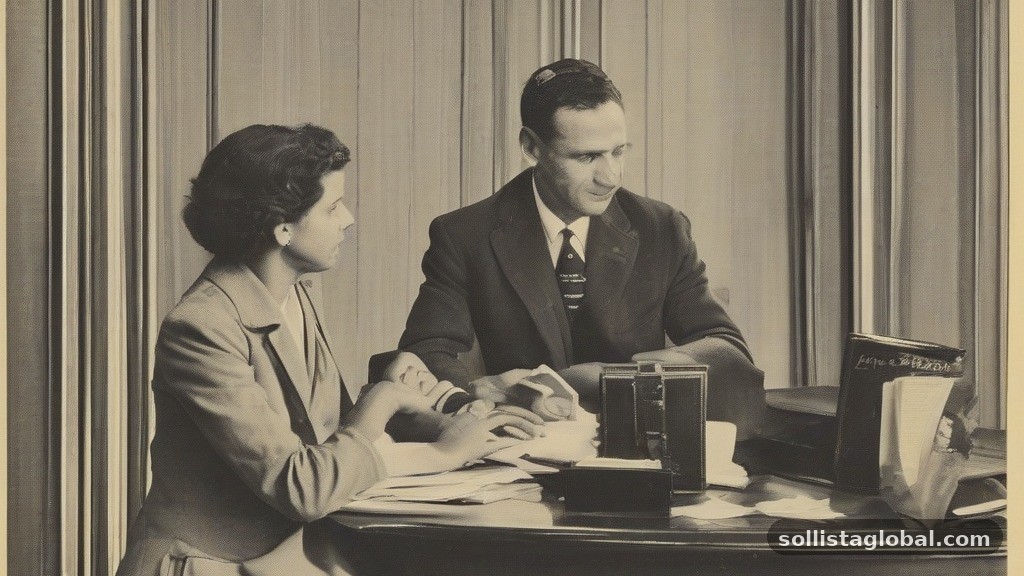
The most important fact to understand is that the consular officer is legally required to assume you intend to immigrate until you prove otherwise. This is known as “refusal under section 214(b)” of the Immigration and Nationality Act. Your goal is to demonstrate strong ties to your home country that will compel you to return after your visit.
Officers look for consistency between your visa application, your verbal answers, and the documents you present. If your stated purpose for travel contradicts your employment history or financial situation, the officer will likely flag the application for further review. Focus on providing clear, concise, and truthful information rather than rehearsing scripted responses.
Core Questions You Must Anticipate
While every interview varies, most consular officers rely on a standard set of questions to gauge your intentions. You should be ready to explain exactly why you are visiting, how you will fund your stay, and what your plans are upon returning home. Being vague when asked about your itinerary is a common reason for visa denials.
Officers will often ask about your previous travel history to see if you have followed the rules of other countries in the past. If you have traveled extensively, mention those trips briefly to establish yourself as a seasoned traveler. If this is your first time traveling abroad, focus on explaining the specific reason for this visit and how it fits into your long-term personal or professional plans.
Organizing Your Supporting Documentation
While the officer may not look at every piece of paper you bring, having an organized folder is essential for your peace of mind. You should group your documents by category so you can retrieve them instantly if asked. Never offer documents unless the officer specifically requests them, but keep them accessible.
Your folder should include your passport, your appointment confirmation page, and your DS-160 submission confirmation. Additionally, bring evidence of your financial stability, such as recent bank statements or pay stubs. If you are traveling for a specific event, such as a conference or a wedding, include the invitation or registration confirmation in your file.
Common Financial and Employment Documents
Consular officers need to see that you have the means to support yourself during your stay without relying on public funds. For employees, this usually means providing proof of salary and a letter from your employer confirming your leave of absence. If you are self-employed, you should bring business registration documents and tax records.
| Document Type | Purpose of Submission | Primary Verification Goal |
|---|---|---|
| Bank Statements | Proving liquid assets | Confirming travel self-sufficiency |
| Employment Letter | Confirming job status | Verifying strong home-country ties |
| Tax Returns | Demonstrating income | Establishing financial stability |
| Property Deeds | Showing assets | Proving intent to return home |
Tips for Effective Communication
Your demeanor is just as important as the information you provide during the interview. Maintain eye contact, speak clearly, and avoid being overly defensive or argumentative. The interview is usually very short, often lasting less than three minutes, so you must get to the point quickly.
Listen carefully to the entire question before you begin your answer. If you do not understand a question, it is perfectly acceptable to ask the officer to repeat it rather than guessing what they meant. Providing a long, rambling answer can make you appear nervous or as if you are hiding something, so keep your responses brief and focused.
Common Mistakes to Avoid
Many applicants make the mistake of over-preparing by memorizing rigid scripts. When you recite a memorized answer, you lose the ability to sound natural and sincere. If the officer asks a follow-up question that deviates from your script, your nervousness will become obvious.
Another common error is providing unsolicited information or bringing unnecessary documents. Bringing your entire life history in a suitcase will not help your case and may actually annoy the officer. Stick to the specific questions asked and only provide documents when requested or when they directly support a point you are making.
Navigating Specific Visa Categories
Different visas require different types of preparation depending on your intent. For a student visa, you must demonstrate that you have the academic background to succeed and the financial backing to pay for your education. For a business visa, you need to prove the legitimate nature of your professional activities.
* Academic Records: Bring your transcripts, test scores, and university acceptance letters.
* Business Invitations: Provide the contact details of your host company and a summary of your meetings.
* Tourist Itinerary: Have a general plan of the cities or attractions you intend to visit.
* Family Sponsorship: Include proof of your relationship to the host and their legal status.
Handling Challenges and Denials
If you are denied a visa, remain calm and ask for the reason for the refusal. Often, the reason is simply that you did not sufficiently demonstrate strong ties to your home country. You are entitled to reapply in the future, but you should only do so if your circumstances have changed significantly.
Do not attempt to argue with the officer or demand a reversal of the decision at the window. This behavior will only hurt your chances for future applications. Instead, take the time to review your application and address the specific gaps that led to the denial.
You can find detailed information on the official U.S. Department of State website regarding visa policies.
The Role of Previous Travel History
Your travel history acts as a record of your compliance with international immigration laws. If you have visited other countries and returned on time, this works in your favor. It suggests that you understand the expectations placed on visitors and that you are unlikely to overstay your visa.
If your passport is new and empty, do not worry; everyone starts with their first trip at some point. Simply be prepared to explain the purpose of your current trip in greater detail. Focus on the legitimacy of your plans and your clear intent to return home after the visit concludes.
Preparing for the Atmosphere of the Consulate
The environment inside a visa office can be intimidating, with high security and many people waiting. Arrive at the consulate at least 30 minutes before your scheduled appointment to allow for security screening. Dress in a professional but comfortable manner that reflects the purpose of your visit.
Remember that the officers are professionals who conduct hundreds of interviews every day. They are trained to spot inconsistencies and are not there to be your friend, but they are also not there to be your enemy. Approach the interaction with respect, honesty, and a clear understanding of your own travel plans.
Frequently Asked Questions
What should I say if I have relatives in the country I am visiting?
You should always be honest about having family members in the country. If you lie and the officer finds out, it can lead to a permanent ban for fraud. Simply state their relationship to you and clarify that your trip is for a specific purpose, such as a vacation or a short visit.
Does my appearance matter during the interview?
While you do not need to wear a formal suit, dressing in business-casual attire is recommended. It shows that you respect the process and the authority of the consular officer. Avoid wearing anything that is overly casual, such as beachwear or gym clothing, as it can be perceived as disrespectful.
What if I am nervous and forget my answers?
It is normal to be nervous during a high-stakes interview. Take a deep breath before you start speaking and focus on the truth of your situation. If you forget a detail, it is better to pause and think than to make up an answer that might contradict your application.
How long should my answers be?
Most answers should be between one and three sentences long. You want to provide enough information to be clear without adding unnecessary fluff. If the officer needs more detail, they will ask a follow-up question, which gives you the perfect opportunity to elaborate.
Is it better to bring more documents or fewer?
Bring only the documents that are required or that directly support your case. A massive stack of papers suggests you are trying to compensate for a weak application. Keep your essential documents organized in a clear, accessible folder so you can provide them immediately when asked.
Final Steps for Your Interview
Preparing for a Visa Interview: Questions & Tips is ultimately about presenting your life story in a way that is clear, consistent, and honest. By focusing on your ties to your home country and providing accurate information, you maximize your chances of a positive outcome. Remember that the consular officer is performing a standard verification task, and your goal is simply to facilitate that process by being prepared.
Once you have your documents organized and your primary points ready, you can walk into the consulate with the certainty that you have done your best to present your case accurately. If you have further questions or need to double-check specific requirements, always refer to the official embassy website in your region before your appointment date.