

Preparing for an immigration or non-immigrant visa appointment requires clarity about your travel purpose and financial stability. Mastering 15 common Visa Interview Questions with Sample Answers provides the confidence needed to articulate your situation clearly to a consular officer. By understanding the underlying intent behind these inquiries, you can avoid common pitfalls that lead to denials.
This article breaks down the most frequent questions asked during embassy appointments and provides actionable strategies to craft responses that remain honest, concise, and focused on your specific circumstances. Proper preparation transforms an intimidating process into a straightforward conversation about your travel intentions.
The Core Objective of Visa Interviews

The primary goal of a consular officer during any visa interview is to verify your eligibility under the relevant immigration laws. They are specifically tasked with determining if you intend to overstay or if you pose a security risk to the host country. Most denials occur because an applicant fails to demonstrate strong ties to their home country or provides conflicting information about their trip.
When you review these 15 common Visa Interview Questions with Sample Answers, focus on providing evidence that supports your stated intent. Consistency is your greatest asset throughout the brief interaction.
Question 1: Why are you traveling to this country?
This is the most critical question you will face, as it establishes the foundation for the entire interview. Your answer should be direct, specific, and match the information provided in your DS-160 or visa application form. Avoid vague statements like “I want to see the world” or “I am just visiting.”
Instead, name specific cities, events, or institutions you plan to visit. If you are traveling for business, mention the company you are meeting and the purpose of your collaboration. A clear, singular focus helps the officer understand your travel profile immediately.
Question 2: How long do you plan to stay?
Consular officers need to know that you have a defined timeframe for your visit. Providing an answer like “I’m not sure yet” or “a few months” is a major red flag that suggests you may be looking to settle permanently. State a specific duration that aligns with your travel itinerary, such as “I will be there for 14 days.”
Ensure this duration is realistic for a tourist or business traveler. If you are applying for a student visa, mention the duration of your academic program clearly.
Question 3: Who is paying for your trip?
Financial solvency is a core requirement for visa approval, and the officer must know the source of your funds. If you are self-funding, mention your current employment and savings that cover the trip costs comfortably. If a relative or a sponsor is covering the expenses, be prepared to explain their relationship to you and why they are paying.
You should be able to present documentation, such as bank statements or a letter of support, if requested. Never lie about your financial backing, as discrepancies here are easily verified.
Question 4: Where will you be staying?
The officer wants to see that you have a concrete plan for your accommodation. If you are staying at a hotel, have the name and location ready to provide. If you are staying with friends or family, know their address and their legal status in the host country.
Providing a specific, verifiable location demonstrates that you have prepared for your trip properly. If you haven’t booked yet, mention the neighborhood or the type of accommodation you intend to secure.
Question 5: What do you do for a living?
Your employment status is a primary indicator of your ties to your home country. State your job title, the name of your company, and how long you have held that position. If you are a student, mention your university and your current year of study.
If you are retired, explain your previous profession and your current source of income. This information helps the officer confirm that you have a stable life to return to.
Question 6: Do you have any family or friends in the country?
Honesty is mandatory here, as the embassy often has access to records of your relatives. If you have immediate family members in the host country, disclose them immediately and explain their current status. If you have distant relatives or friends, be prepared to explain how well you know them and if you intend to visit them.
Hiding this information is one of the most common reasons for visa rejections. Being transparent about your connections shows you have nothing to hide.
Question 7: How much do you earn per year?
This question serves to cross-reference your financial stability with the costs of your proposed trip. Provide your annual salary clearly and be ready to show proof, such as tax returns or pay stubs. If your income fluctuates, give a conservative estimate based on your recent performance.
Do not inflate your numbers, as the officer may ask for supporting financial documents. Your income should reflect a lifestyle that makes a short-term international trip plausible.
Question 8: Have you traveled abroad before?
Previous travel history is a strong indicator of your reliability as a visitor. If you have traveled to other countries, especially those with strict visa requirements, mention these experiences. It shows that you have followed immigration rules in the past and returned home on time.
If this is your first time traveling, simply state that fact and focus on explaining your current itinerary well. Your travel history is a testament to your pattern of following the law.
Question 9: Can you show me your documents?
This is a request for the physical evidence supporting your application. Keep your documents organized in a folder so you can retrieve them without fumbling. Essential documents usually include your passport, DS-160 confirmation page, appointment letter, and any specific items like bank statements or invitation letters.
Only hand over documents when explicitly asked by the officer. Maintaining a professional and organized demeanor during this moment reflects well on your level of preparation.
Question 10: Do you intend to work during your stay?
For tourist or business visas, the answer should almost always be a firm “no.” Working on a tourist visa is illegal and will result in immediate denial or future bans. If you are applying for a work visa, clearly explain your employer, the nature of the job, and the duration of your contract.
Ensure that your explanation aligns with the specific visa category you have applied for. Never attempt to bypass work visa requirements by applying for a visitor visa.
Question 11: What ties do you have to your home country?
The officer is looking for evidence that you will return home after your visit. You can mention your job, your family, your property ownership, or your ongoing education as reasons for your return. Being specific about these commitments makes your intention to return home much more credible.
For example, mentioning a specific project you are leading at work provides a concrete reason to return. Your goal is to prove that your life at home is established and ongoing.
Question 12: How can you afford this trip?
This is a follow-up to the question about funding, specifically focusing on your financial habits. Explain your savings process or your ability to cover the trip expenses through your regular income. If you have saved for a long time, mention that.
This shows long-term planning and financial responsibility, which are viewed positively by consular staff. Keep your explanation focused on your personal financial discipline.
Question 13: What happens if your visa is denied?
This is a test of your temperament and your understanding of the process. A calm, professional answer is essential, such as “I would respect the decision and apply again when my circumstances change.” Getting angry or argumentative will only confirm that you are not a suitable candidate for entry.
Your reaction to a potential negative outcome is a reflection of your personality. Always maintain a respectful and polite tone, regardless of the interview’s progress.
Question 14: Are you traveling alone?
If you are traveling with a group, state who they are and their relationship to you. If you are traveling alone, explain your reason for doing so, such as a solo vacation or a solo business trip. If you are traveling with colleagues, mention that they are your professional counterparts.
Providing clear information about your travel companions helps the officer understand the dynamics of your trip. Consistency between your answer and the information on your application is vital.
Question 15: What if you don’t return on time?
This question addresses the core fear of the immigration department. Your answer must emphasize your commitment to following the law and your desire to return to your home country. Mention your responsibilities at home that require your presence, such as your job or your family.
Reiterate that your travel is strictly for the duration specified in your plan. Confidence and sincerity in your response are key to reassuring the officer.
Common Data Patterns for Visa Applicants
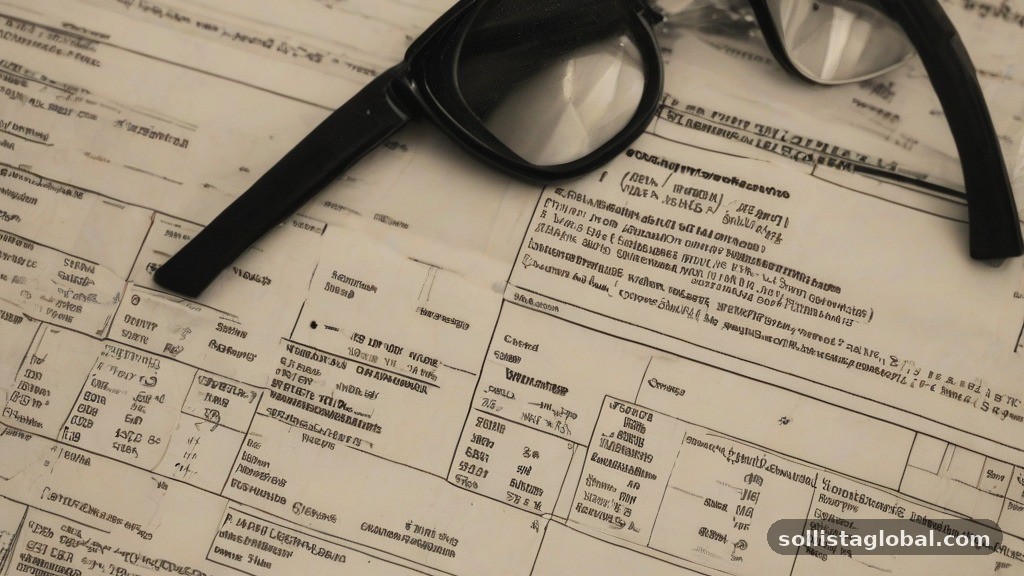
Understanding the typical profile of successful applicants can provide context for your own interview. While every case is individual, certain financial and professional benchmarks are frequently observed among those who receive approvals. The following table illustrates estimated financial and professional metrics that often align with successful visa applications for short-term travel.
| Metric | Typical Successful Profile |
|---|---|
| Annual Income | Exceeding local median by 20-50% |
| Employment Tenure | Minimum of 2 years in current role |
| Travel History | At least 1-2 previous international trips |
| Savings Coverage | 3x the total estimated cost of the trip |
Strategic Preparation Tips
Effective preparation involves more than just memorizing answers. You must understand how to present yourself effectively under pressure. Start by reviewing the official U.S.
Department of State visa information to ensure your knowledge of the requirements is current. Dress professionally, as your appearance is the first thing the officer notices. Practice your answers in front of a mirror or with a friend to ensure they sound natural and not robotic.
Key Factors for a Successful Outcome
Success during your appointment depends on several factors beyond just answering questions. You need to demonstrate stability, honesty, and a clear purpose. Focus on the following areas to improve your chances:
- Maintain eye contact throughout the conversation to show confidence.
- Keep your answers concise; do not volunteer extra information unless asked.
- Ensure all documents are current, authentic, and easily accessible.
- Dress in a manner that reflects your professional or personal status.
- Arrive at the embassy or consulate at least 30 minutes before your scheduled time.
- Remain polite and respectful, even if the officer seems stern or impatient.
Frequently Asked Questions
What is the most common reason for a visa rejection?
The most common reason for rejection is the failure to demonstrate sufficient ties to your home country. Consular officers must be convinced that you have a compelling reason to return home, such as a stable job, property, or family commitments. When an applicant cannot prove these ties, the officer may suspect they intend to remain in the country permanently.
Should I memorize my answers to the interview questions?
You should never memorize scripts, as this can make your responses sound rehearsed and unnatural. Instead, focus on understanding the core intent behind each question so you can provide an honest, spontaneous answer. If the officer senses that you are reciting a memorized response, they may ask follow-up questions to test your genuine knowledge of your travel plans.
Can I bring my family members into the interview room with me?
Generally, only the applicant is allowed inside the interview area, unless there are special circumstances. If you are a minor or require a caregiver, exceptions may be made. Always check the specific rules of the embassy or consulate where you are applying, as policies can vary by location and current security protocols.
What if I don’t know the answer to a question?
If you genuinely do not know the answer, it is better to admit it politely than to guess or invent an answer. You could say, “I am not certain, but I can check my travel documents if you would like.”
Providing a false answer is far more damaging to your application than admitting a temporary lapse in memory. Honesty remains the most important policy during the entire interview process.
Does the length of my answer matter?
Yes, brevity is highly valued because consular officers have a limited amount of time for each interview. Aim to answer in one or two clear, direct sentences.
If the officer needs more information, they will ask follow-up questions. Long, rambling stories often lead to confusion and can make the officer doubt the clarity of your travel purpose.
Final Thoughts on Your Interview
Mastering these 15 common Visa Interview Questions with Sample Answers is a vital step toward securing your travel documents. By focusing on consistency, honesty, and professional presentation, you demonstrate that you are a credible applicant who respects the immigration process. Remember that the officer is looking for reasons to approve your request, and your preparation is what makes that approval possible.
Stay calm, be prepared with your documentation, and answer every question with clarity. With the right approach, you can navigate your appointment with confidence and move closer to your travel goals. Use these insights to refine your responses and ensure you are ready for the interview experience ahead.